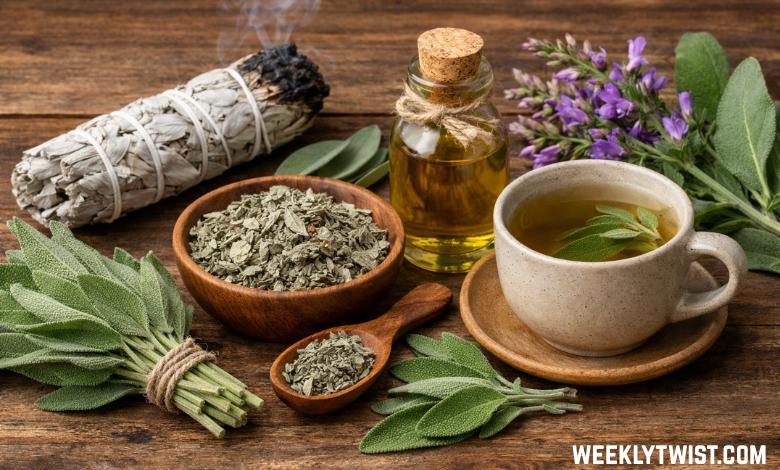
Sagės, also known as sage, are a group of plants belonging to the genus Salvia, which is part of the mint family (Lamiaceae). This genus includes over 900 species, with varying characteristics, ranging from culinary herbs to ornamental plants. One of the most widely recognized species of sage is Salvia officinalis, commonly referred to as common sage or garden sage. This herb has been valued for its medicinal, culinary, and aromatic properties for centuries. The use of sage spans many cultures, particularly in the Mediterranean region, where it has been an essential component of both cuisine and traditional healing practices.
Sage is an adaptable plant that grows in various environments, from temperate climates to arid regions. It is commonly cultivated for its aromatic leaves, which have a distinct, earthy flavor that adds depth to various dishes, especially in European, Mediterranean, and Middle Eastern cuisine. While culinary sage is perhaps the most famous, other species of sage are also used for medicinal, spiritual, and ornamental purposes.
The Plant and Its Varieties
Sage plants are typically perennial shrubs, although some varieties may be grown as annuals depending on the climate. Their leaves are usually silvery-green, and they often have a soft, velvety texture. The plant produces spikes of flowers in shades of blue, purple, or white. Depending on the species, sage can grow to varying heights, with some varieties reaching over 3 feet tall.
There are several popular varieties of sage, each with its own distinct characteristics:
- Common Sage (Salvia officinalis): This is the most well-known and widely cultivated species of sage. Its leaves are used for culinary purposes and in traditional medicine. The plant is often used as a ground cover in gardens or as part of herbaceous borders.
- Pineapple Sage (Salvia elegans): This variety is characterized by its sweet, fruity aroma, similar to pineapple. It produces bright red flowers that attract hummingbirds, making it a popular ornamental plant.
- Clary Sage (Salvia sclarea): Unlike common sage, clary sage is known for its medicinal properties. The plant produces large, aromatic leaves and flowers, which are often used in essential oils. Clary sage has a slightly sweet, musky fragrance and is known for its role in aromatherapy.
- White Sage (Salvia apiana): White sage is a highly aromatic and sacred plant in many Native American cultures. It is often used for smudging ceremonies, where the smoke from burning sage is used to cleanse and purify spaces and individuals. The leaves of white sage are used in herbal medicine as well.
- Mexican Sage (Salvia leucantha): This species is known for its striking purple and white flowers, often seen in gardens or as a border plant. The plant has an aromatic fragrance, and its leaves can be used in teas or other medicinal preparations.
Culinary Uses of Sage
Sage has been an essential herb in cooking for centuries, particularly in Mediterranean, European, and Middle Eastern cuisines. Its strong, savory flavor makes it ideal for pairing with rich, hearty dishes, especially those involving meats like pork, lamb, and poultry. Sage is often used to season stuffing, sausages, and sauces, as well as in baked goods and roasts.
The leaves of Salvia officinalis are typically used in cooking, either fresh or dried. When fresh, the leaves have a softer texture and a milder taste, while dried sage has a more concentrated flavor. The leaves can be used whole, chopped, or ground into a powder. A traditional method of preparing sage involves frying the leaves in butter or oil, which enhances their flavor and gives them a crispy texture. This preparation is often served with pasta, meats, or vegetables.
Sage is also a key ingredient in herbal teas, particularly in Europe, where it is believed to have calming and digestive properties. A tea made from sage leaves is often consumed after meals to aid digestion or to alleviate minor digestive discomforts.
Medicinal Properties of Sage
Throughout history, sage has been revered for its medicinal properties. It has been used as a natural remedy for a wide range of ailments, from digestive issues to respiratory problems. Sage contains various bioactive compounds, including flavonoids, phenolic acids, and essential oils, which contribute to its therapeutic effects.
- Digestive Aid: Sage is commonly used to soothe the digestive system. It is believed to help alleviate bloating, indigestion, and mild stomach discomforts. In traditional medicine, sage tea or tinctures are used to promote digestion and ease stomach cramps.
- Anti-inflammatory Properties: Sage contains compounds that possess anti-inflammatory effects. It has been used in the treatment of inflammatory conditions, such as sore throats, arthritis, and mouth ulcers. Gargling with sage tea is a popular remedy for soothing a sore throat.
- Cognitive Health: There is growing interest in sage’s potential to improve cognitive function and memory. Some studies suggest that sage may have neuroprotective effects and could help prevent or alleviate symptoms of cognitive decline associated with conditions like Alzheimer’s disease. Sage’s high antioxidant content is thought to play a role in protecting brain cells from oxidative stress.
- Antioxidant Properties: Sage is rich in antioxidants, which help combat oxidative damage in the body. Antioxidants are essential for neutralizing free radicals, which can cause damage to cells and tissues and contribute to aging and the development of various diseases.
- Hormonal Balance: Clary sage, in particular, has been used to help balance hormones, especially in women. It is believed to be beneficial for alleviating symptoms of menopause, such as hot flashes and mood swings. Clary sage oil is often used in aromatherapy to promote relaxation and reduce anxiety.
Sage in Spiritual and Ritual Practices
It holds a significant place in many cultures, particularly in Native American traditions. The practice of smudging, which involves burning sage to purify a space or person, is an important ritual in many indigenous cultures. White sage (Salvia apiana) is most commonly used for smudging, as it is believed to have powerful cleansing properties. The smoke is thought to carry away negative energy, providing a sense of peace, clarity, and spiritual renewal.
Sage is also used in various religious and spiritual practices around the world. In Christianity, for example, the herb is associated with the Virgin Mary and is often used in prayers for healing and protection. In other traditions, such as Wicca and various pagan practices, sage is considered a protective herb that can ward off evil spirits and bring about spiritual balance.
The Environmental Impact of Sage
Sage plants are generally hardy and require minimal care once established. However, they thrive best in well-drained soil and plenty of sunlight. Sage is drought-tolerant and relatively resistant to pests, making it an eco-friendly addition to gardens and landscapes. Many gardeners choose to grow sage as part of their herb gardens, where it not only provides culinary and medicinal benefits but also contributes to biodiversity.
In some areas, the overharvesting of wild sage, particularly white sage, has become a concern. Due to its cultural significance, white sage is often harvested in large quantities for smudging ceremonies, leading to the depletion of wild populations. Conservation efforts are underway to protect wild sage habitats and promote sustainable harvesting practices.
Sage in Modern Times
In recent years, sage has seen a resurgence in popularity, particularly as an ingredient in wellness products, such as essential oils, teas, and aromatherapy items. The demand for sage, especially white sage, has led to concerns over the sustainability of its harvest, prompting a shift towards cultivated and ethically sourced products.
Sage’s role in modern herbalism continues to grow, with many people turning to the herb for its calming and healing properties. Its presence in both culinary and medicinal applications has secured its place as a staple herb in many homes and wellness practices.
Conclusion
Sage is a versatile and valuable plant with a rich history of use in culinary, medicinal, and spiritual practices. Whether grown for its aromatic leaves, used in traditional healing, or burned for purification, sage remains a significant herb in various cultures worldwide. With its potential to improve digestive health, reduce inflammation, and enhance cognitive function, sage continues to be a popular choice for those seeking natural remedies. As interest in sustainable and ethical harvesting practices grows, sage will undoubtedly remain a cherished herb for generations to come.